Restoration Stories – How Jaipur’s Old Havelis Are Becoming Boutique Hotels
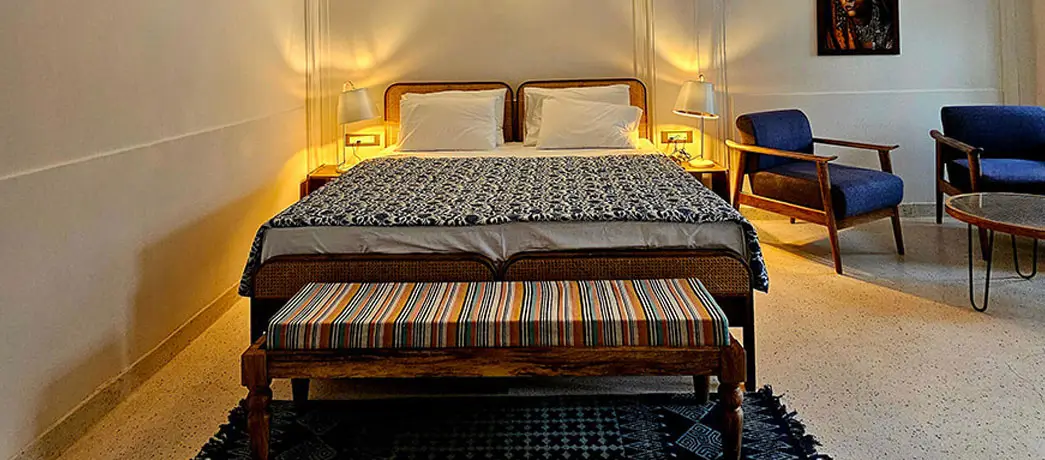
The charm of Jaipur lies not only in its grand forts and palaces but also in its hidden heritage havelis. These centuries-old mansions, once home to royals, nobles, and wealthy merchants, had slowly faded with time. Crumbling walls, fading frescoes, and locked courtyards told stories of neglect. But in the last two decades, Jaipur has witnessed a cultural rebirth: old havelis are being lovingly restored and transformed into boutique hotels.
This movement is more than just architectural preservation—it’s about reviving traditions, promoting local craftsmanship, and offering travelers a chance to live the royal lifestyle of Jaipur. Boutique havelis like The Amoli Haveli are leading this revival, proving that heritage can coexist with modern luxury.
The Rise & Fall of Jaipur’s Havelis
Glorious Past
- Built between the 17th and 19th centuries, havelis symbolized wealth, status, and artistry.
- They featured jharokhas, frescoes, courtyards, and private temples, reflecting Rajput and Mughal influences.
- Havelis were also social hubs where weddings, feasts, and festivals brought communities together.
Years of Decline
- With modernization, many families moved out of the Old City.
- Maintenance costs were high, and many havelis were abandoned.
- Frescoes faded, courtyards cracked, and priceless architecture was lost.
- Some were even demolished to make way for concrete buildings.
The Restoration Movement
New Vision
In the early 2000s, conservationists, architects, and entrepreneurs realized the potential of reviving these havelis. Instead of letting them collapse, they decided to restore and repurpose them as boutique heritage hotels.
Restoration Process
- Structural Repairs: Strengthening old walls, arches, and roofs.
- Preserving Frescoes: Using natural pigments and lime plaster for repainting.
- Traditional Materials: Wood, stone, and local craftsmanship instead of modern cement.
- Modern Comforts: Adding air-conditioning, luxury bathrooms, and Wi-Fi without disturbing heritage charm.
Role of Artisans
Local artisans—stone carvers, fresco painters, woodworkers—play a key role. This revival also gives them sustainable livelihoods, ensuring old skills are not lost.
Boutique Hotels vs. Luxury Chains
- Luxury Chains: Focus on grandeur and large-scale operations.
- Boutique Havelis: Offer intimate, cultural, and personalized stays.
- Staying in a boutique haveli feels like being a guest in a royal home rather than a generic hotel.
Keywords: haveli restoration Jaipur, boutique hotels Jaipur, heritage haveli stays
Top Examples of Restored Havelis in Jaipur
The Amoli Haveli
- A 300-year-old haveli restored into a boutique stay.
- Highlights: courtyard dining, frescoed walls, rooftop views, cultural evenings.
- Perfect balance of heritage charm and modern comfort.
Samode Haveli
- Famous for its painted walls and luxurious suites.
- Popular among international celebrities.
Narain Niwas & Diggi Palace
- Converted into boutique hotels with gardens and vintage interiors.
- Blend of Rajput heritage with colonial influences.
Why Travelers Prefer Restored Havelis
1. Authenticity
Guests experience real history instead of themed décor.
2. Cultural Immersion
Guests enjoy folk music, cooking classes, and guided heritage walks.
3. Sustainability
Restoration prevents demolition and reduces environmental impact compared to new constructions.
4. Unique Experiences
Each haveli is different—no two rooms or courtyards are alike.
5. Intimate Luxury
Unlike massive hotels, boutique havelis have fewer rooms, offering personalized service.
Impact of Haveli Restoration on Jaipur
- Tourism Growth: Heritage hotels attract luxury travelers, photographers, and influencers.
- Job Creation: Local artisans, chefs, guides, and staff get employment.
- Cultural Revival: Folk music nights, puppet shows, and traditional feasts are organized.
- Urban Preservation: Prevents Old City from losing its identity.
Challenges in Restoring Jaipur’s Havelis
- High Costs: Restoration requires crores of rupees.
- Government Permissions: Heritage conservation laws can be complex.
- Balancing Heritage & Modern Comforts: Adding ACs, bathrooms, and lifts without harming old walls.
- Maintaining Authenticity: Avoiding over-modernization that kills the haveli’s soul.
How The Amoli Haveli Blends Old & New
- Original Frescoes Preserved: Hand-painted walls carefully restored.
- Courtyards Revived: Now host cultural dinners and photoshoots.
- Modern Amenities: Rooms with AC, Wi-Fi, and luxury bathrooms.
- Heritage Walks: Guests explore nearby bazaars and temples.
This balance makes it a living haveli, not just a hotel.
Future of Boutique Haveli Hotels in Jaipur
- Rising interest from foreign travelers and domestic luxury tourists.
- Growing demand for shoot locations (pre-weddings, fashion, documentaries).
- Potential for heritage circuits, connecting Jaipur havelis with others in Shekhawati and Jodhpur.
- Government support may further encourage haveli restoration.
Want to stay in a restored Jaipur haveli and experience royal life? Book your stay at The Amoli Haveli—where history, art, and luxury come together. Explore courtyards, frescoes, and cultural evenings while enjoying modern comfort.
Reserve your boutique haveli stay today and be part of Jaipur’s living heritage.