Architecture of Jaipur’s Havelis – Exploring Jharokhas, Frescoes & Courtyards
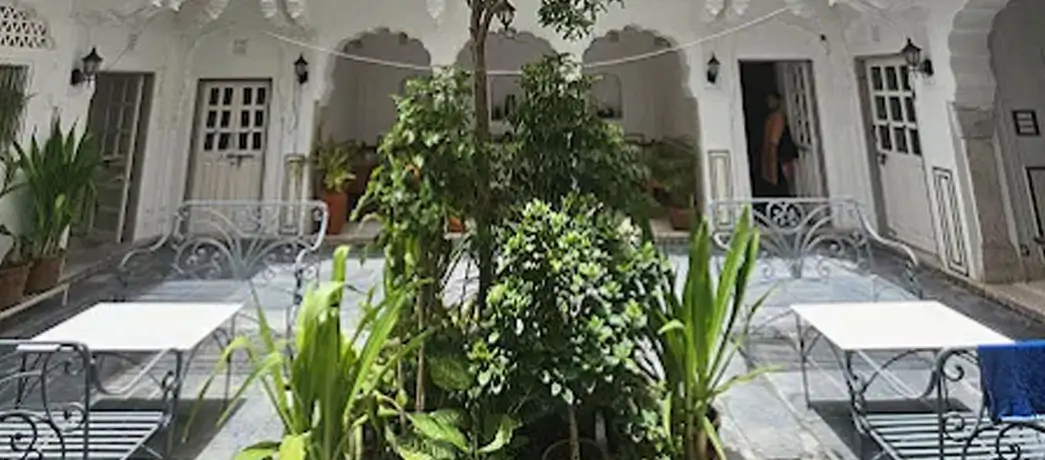
The heritage havelis of Jaipur are not just old houses—they are living museums of art, design, and culture. Built centuries ago by wealthy merchants and royal families, these havelis stand tall inside the walled city of Jaipur, showcasing the genius of Rajasthani craftsmanship. With ornate jharokhas (balconies), hand-painted frescoes, and spacious courtyards, these architectural marvels highlight the lifestyle, traditions, and luxury of a bygone era. Today, they attract architects, photographers, historians, and travelers who want to experience Jaipur’s royal charm in the most authentic way.
The Origins of Jaipur Havelis
- Most havelis were constructed between the 17th–19th centuries by Rajput nobles, wealthy merchants, and court officials.
- They were designed not only as residences but also as symbols of status, wealth, and artistry.
- The architecture followed Vaastu principles and Rajput-Mughal design fusion, giving them a unique style.
- Unlike palaces, havelis were more intimate yet equally grand, reflecting both domestic life and cultural opulence.
Key Features of Jaipur Haveli Architecture
1. The Jharokhas (Ornamental Balconies)
- Jharokhas are enclosed balconies that project outward from haveli walls.
- They served both aesthetic and practical purposes—allowing women of the house to watch street life without being seen.
- Decorated with carved sandstone, marble inlay, and latticework (jali designs), they became the signature feature of Rajasthani architecture.
- For photographers and designers, these heritage jharokhas in Jaipur are the perfect backdrop for shoots.
2. Frescoes & Wall Paintings
- Frescoes are hand-painted artworks created using natural colors on lime-plastered walls.
- Themes included mythological stories, daily life scenes, floral motifs, and royal portraits.
- Unlike simple walls, these frescoes turned every haveli into a colorful art gallery.
- Many of Jaipur’s Old City havelis still retain original frescoes, attracting historians and fashion photographers alike.
3. Courtyards (Chowks)
- At the heart of every haveli lies a courtyard, also called chowk.
- It acted as the central space for family gatherings, festivals, and cultural performances.
- Courtyards were designed for natural ventilation and kept homes cool in Rajasthan’s desert climate.
- Today, these courtyards are top choices for pre-wedding shoots and cultural events.
4. Intricate Doorways & Gateways
- Massive wooden doors with iron studs and carvings marked the entrance of havelis.
- Inside, gateways were painted in bold colors and adorned with floral or geometric art.
- These doorways symbolized prosperity and security, while also serving as grand entry points for guests.
5. Jalis & Stone Carvings
- Jali work (stone lattice design) allowed airflow while maintaining privacy.
- They added elegance and played with light, casting artistic shadows inside.
- Stone carvings on pillars, arches, and facades highlighted Rajasthani artisanship at its peak.
6. Rooftops & Terraces
- Rooftops were used for evening gatherings, moonlit dinners, and folk performances.
- With Jaipur’s skyline and forts in the background, terraces became a blend of leisure and architecture.
- Today, rooftop photography in Jaipur havelis is a growing trend.
Cultural Importance of Haveli Architecture
- Havelis were more than homes—they were centers of culture, art, and hospitality.
- Festivals like Diwali, Teej, and Gangaur were celebrated in haveli courtyards with music and dance.
- Guests were treated royally, reflecting Jaipur’s tradition of “Atithi Devo Bhava” (Guest is God).
- Even today, staying in a heritage haveli in Jaipur allows visitors to relive this cultural experience.
Modern-Day Use of Jaipur Havelis
- Boutique Hotels – Many havelis, like The Amoli Haveli, are now restored into boutique stays.
- Shoot Locations – Pre-wedding, fashion, documentary, and ad film shoots thrive here.
- Cultural Events – Folk music nights, art exhibitions, and private dinners.
- Museums & Galleries – Some havelis have been converted into heritage museums.
Tips for Experiencing Haveli Architecture in Jaipur
- Take a Heritage Walk in the Old City to explore hidden havelis.
- Stay in a Boutique Haveli for an authentic royal experience.
- Hire Local Guides who explain stories behind frescoes and carvings.
- Plan a Photoshoot in heritage courtyards for unique visual content.
Want to experience the royal architecture of Jaipur havelis up close? Book your stay or photoshoot at The Amoli Haveli, where every jharokha, fresco, and courtyard tells a story.
Contact us today to reserve your royal heritage experience.